
 Daycare centres
  Send a message
  Book a visit
  Apply for daycare
 Come to work at Pilke daycare

Pilke is the largest private daycare chain in Finland. We operate around 160 daycare centers and preschools across the country.
Our activities are diverse, and we continuously develop them. In some of our daycare centers, early childhood education has a special focus — such as nature, sports, music, science, art, and expression — while others offer education in English or bilingually.
The goal of Pilke is to be the best provider in Finland’s early childhood education sector. We achieve this goal by working together.
Pilke’s employees take great care of the children, and our role as a company is to take great care of our employees.
What kind of career would you like to build for yourself in early childhood education?
Read more about working at Pilke daycare centers, explore our open positions, and get in touch with us. We would love to hear from you!
Hello early childhood education teacher! Did you know there are many great reasons to work at a Pilke daycare center?
Pilke has an open and encouraging work culture. We value creativity, freedom, and self-direction in our work.
We genuinely invest in the well-being, professional development, and employee benefits of our Pilke staff. Here are just a few highlights for Master of Education graduates working as early childhood education teachers:
- Salary supplement of €150 per month
- Personal planning, evaluation, and development work time (SAK working time)
- Accumulation of 5 additional days off per year
- Mid-season outdoor jacket for outdoor activities
- Opportunity to advance to the Ope+ role and receive a performance-based bonus
- Freedom to develop yourself and contribute to high-quality early childhood education
- And many other great benefits!
At the moment, we have several teaching positions open in our daycare centers across Finland. Explore our open positions and get in touch — we would love to hear from you!
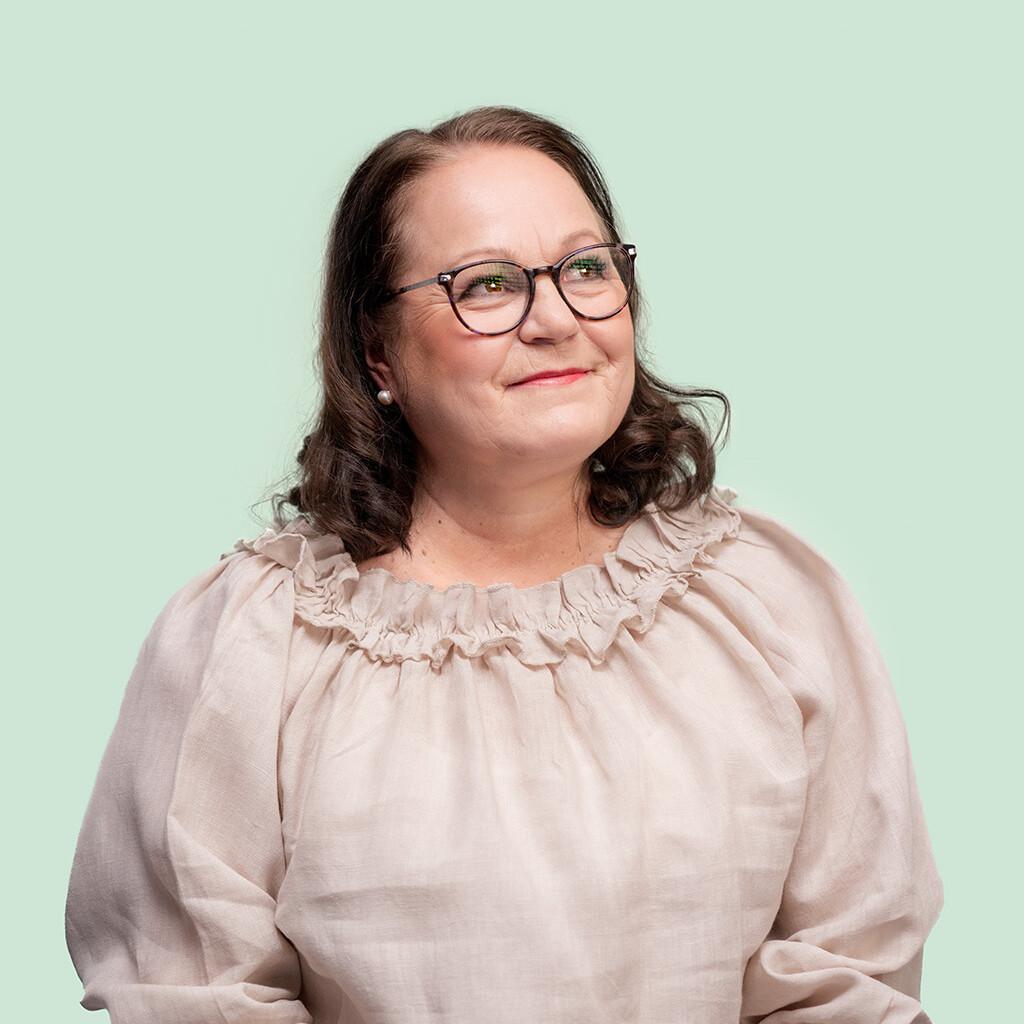
Kindness is an inner calm I share with those around me
When I feel good and confident in my work, I can pass that calm on to the children, too.
My arms are always open. And that’s why the best part of my job is when the children show me how much that means. In the mornings, they run straight into my arms. To them, I’m a kind and safe grown-up they can count on.


What is it like to work in early childhood education at Pilke?
The early childhood education professionals at Pilke value our open and courageous culture.
We genuinely listen, care, and address even difficult issues when needed. We work together, share knowledge, and support one another. Our early childhood education expert team also ensures that all successful ideas and best practices are shared and utilized across all our daycare centers.
In employee surveys, our daycare staff especially highlight the training opportunities, meaningful work aligned with our values, the collegial atmosphere within the work community, and the opportunity to influence and creatively shape their own work.
At Pilke, everyone has both the freedom and the responsibility to develop themselves and their work. Warm-hearted, dedicated, playful, ambitious — that’s who we are. Bring your own warm personality and join our team!
A child’s first years are invaluable — they create the foundation for life, and development during those years is incredibly rapid.
At Pilke, high-quality early childhood education includes learning through play and gentle interaction. We recognize and appreciate each child’s unique abilities and support their individual strengths. We are passionate about our work and create safe and inspiring learning paths for every child.
Pilke’s diverse early childhood education offers different focus areas that support children’s strengths and interests.
These specialized focus areas are included in each daycare center’s early childhood education plan and are reflected in many ways in everyday daycare life. In addition to the English-language Pilke Playschools, our daycare centers may focus on nature, physical activity, music, science, or art and expression. We also provide additional training related to these focus areas.
In all our operations, we follow the same early childhood education curriculum goals, quality standards, and qualification requirements as municipal daycare centers and preschools.
Our mission at Pilke is to create an environment where children learn not only knowledge and skills, but also how to approach the world with kindness and compassion.
At Pilke, responsibilities in daycare centers are divided among educators, daycare assistants, and directors so that everyone has time to focus on their own work and do it as well as possible. Read the career stories of Pilke employees to learn what it is like to work in a Pilke daycare center.
Collaboration and continuous development are important to us. Pilke employees have the opportunity to influence their own work, and no one has to carry out demanding and responsible work alone.
Pilke has an open and inclusive atmosphere, as well as a strong culture of support and coaching. Together, we want to build an even better working life through innovative solutions. Learn more about our values.
In addition to a competitive salary, we offer all Pilke employees excellent employee benefits, opportunities for further training, and professional development. Read more about Pilke as an employer.
Our early childhood education professionals experience thousands of different everyday situations together with colleagues, children, and families every day. It is impossible to fully describe — or showcase all at once — everything that happens in daily life in early childhood education.
Here are a few highlights from our quality work in early childhood education at Pilke:
- Quality visits to Pilke daycare centers
- Customer satisfaction in Pilke daycare centers
For example, in the Ope+ role, professionals focus on developing pedagogy and educational activities as specialists, without managerial responsibilities. The Ope+ role has had a significant impact on improving the quality of early childhood education in daycare centers and has also increased customer satisfaction.
Our employees value a strong sense of community, everyday support, and professional sparring. They have a genuine desire to succeed and are willing to give their best.
Our “Career at Pilke” articles share insights into our work culture, professional development opportunities, and current topics.
Our themed articles on early childhood education highlight the everyday life, extensive experience, and meaningfulness of work at Pilke. They are made from the ingredients of a good day.


The freedom to develop themselves and to develop quality early childhood education and care
I have worked at Pilke for nearly six years. Pilke employed me as an early childhood education teacher at the music-oriented daycare centre Nummenharju directly after graduation. Throughout my career, Pilke has valued my skills and supported me in the face of difficulties. I’ve had the opportunities to test my wings as both deputy manager and daycare centre manager. Through various work groups, I’ve had the chance to influence Pilke’s high-quality early childhood education and care.
I have participated in incredibly fruitful trainings and had the opportunity to train others too. I have represented Pilke in various trade fairs and other events. In addition, I’ve had the privilege to work with amazing, highly professional early childhood educators as a manager, early childhood education teacher and mentor. All of my colleagues have taught me something valuable.
Pilke has enabled me to grow from a novice to a confident professional. Last autumn, I was rewarded for my good work. Thank you Pilke for placing trust in my skills, for challenging me and for helping me develop myself as a professional!
Minna Puusniekka, Early Childhood Education Teacher, Pilke Daycare Centres
What kind of dream career and path do you want to build in early childhood education?
At Pilke, we offer nearly unlimited opportunities to learn, develop, and grow. Through Pilke Academy, every Pilke employee can strengthen their expertise in our up-to-date training programs. Our work community actively supports and shares knowledge — for example, in VEO clinics, special education teachers in early childhood education consult colleagues in challenging situations.
We offer opportunities for further education, a variety of job roles with children of different ages, positions across our different business areas, throughout Finland, and even internationally. With us, you can shape the direction of your own career and dreams.
In addition to regular daycare responsibilities, our early childhood education professionals also have the opportunity to specialize and act as internal experts for all Pilke employees. These roles include, for example, Ope+, ECEC mentor, and specialization coordinator.
Ope+ professionals work in a child group as early childhood education teachers while also taking responsibility for pedagogical development tasks that concern the entire unit, along with quarterly goals linked to these responsibilities.
The Ope+ role combines deepening and developing professional expertise, a motivating and diverse job description, and a performance-based bonus paid quarterly in addition to the monthly salary.
The Ope+ position is well suited to someone who wants to share their expertise and contribute to the development of pedagogy and the work community. Ope+ teachers have a strong pedagogical approach, a positive and proactive attitude, strong interaction skills, and the ability to genuinely connect with children.
Ope+ professionals receive orientation for the role and its specific goals. At Pilke, Ope+ professionals also form their own internal network, meeting regularly for collegial collaboration and professional development together with Pilke’s early childhood education expert team.
Applications for open Ope+ positions are usually handled through our regular recruitment process. You can find open positions at Pilke daycare centers here.
An ECEC Mentor is a skilled early childhood education professional within Pilke who provides support and guidance in solving various pedagogical challenges and, for example, in developing learning environments.
A daycare center director or regional director can request support from an ECEC Mentor whenever additional help is needed beyond what Pilke Academy and regular collegial support can provide. Mentors may also organize regional pedagogical events for early childhood educators.
ECEC Mentors are selected through an internal application process. Our mentors are typically experienced early childhood education teachers or daycare center directors. Since Pilke has daycare centers across Finland, each region has its own ECEC Mentor.
The most important qualities in the ECEC Mentor role are a genuine desire and interest in developing daycare center operations and improving the quality of early childhood education. Mentors have a strong command of the Finnish ECEC curriculum framework and Pilke’s educational principles and goals — and, above all, a willingness to share this expertise. ECEC Mentors are approachable, empathetic, and confidently supportive professionals with good situational awareness and a positive, solution-oriented mindset — always with a sparkle in their eye.
ECEC Mentors receive separate compensation for mentoring work, including expense reimbursements. When mentoring support is needed, a substitute can be arranged for the mentor during that working time if necessary.
ECEC Mentors also work closely together under the guidance of Pilke’s early childhood education expert team. The role includes clear guidelines and a variety of materials to support success in the position.
The learning orientations at Pilke daycare centers include nature, physical activity, music, science, and arts & expression. In addition, some daycare centers are English-language or bilingual Pilke Playschools.
As the title suggests, a Learning Orientation Coordinator is responsible for developing a specific educational focus area at Pilke alongside their regular work duties. Coordinators participate, for example, in planning themed events, theme weeks, and educational handbooks.
A Learning Orientation Coordinator acts as an internal expert at Pilke, providing support and guidance to all daycare centers within that particular learning orientation. Coordinators also introduce and train the staff of new focus-area daycare centers.
The role is filled through an open internal application process. No specific educational background is required, and current coordinators include childcare nurses, early childhood education teachers, and daycare center directors. Learning Orientation Coordinators receive a separate monthly compensation for the role.
The most important qualities in this position are personal interest and expertise in the theme, along with enthusiasm and motivation to develop activities across all daycare centers.
Learning Orientation Coordinators work closely together as their own network under the guidance of Pilke’s early childhood education expert team. The role includes clear guidelines and an annual planning framework, but otherwise offers freedom to design and develop how the learning orientation is implemented in practice in our daycare centers.
Pilke’s pedagogy and concept of learning
Learning through play in gentle interaction
At Pilke Daycare Centres, each child is considered an active knowledge builder who selects and interprets information independently. The child’s active participation is a crucial part of the learning process which is formed in interaction with the surroundings and results from the child’s own activity. Children structure new information based on their earlier experiences, knowledge and views. We integrate the learning material with each child’s experiences and interests.
In order to learn, children must feel safe, well and happy. High-quality interaction relationships and positive emotional experiences enable children to act as unique individuals. Children are naturally curious, creative and active and familiarise with the surrounding world through play.

Positive feedback maintains children’s motivation to learn and their image of themselves as learners. Learning should be fun and inspire children to learn more. Children participate in the learning process actively right from the start and shape it through their own activities and ideas.
Mirka Laaksonen, Head of Quality, Pilke Daycare Centres
What we do to make the ECEC curriculum seen and felt every day
At Pilke daycare centers, early childhood education is always based on the Early Childhood Education Act as well as the national and local early childhood education curriculum of each municipality.
In addition, we have defined our own core principles for Pilke’s early childhood education, which guide the activities in our daycare centers. The “Tree of Learning” provides the framework and direction for our work.
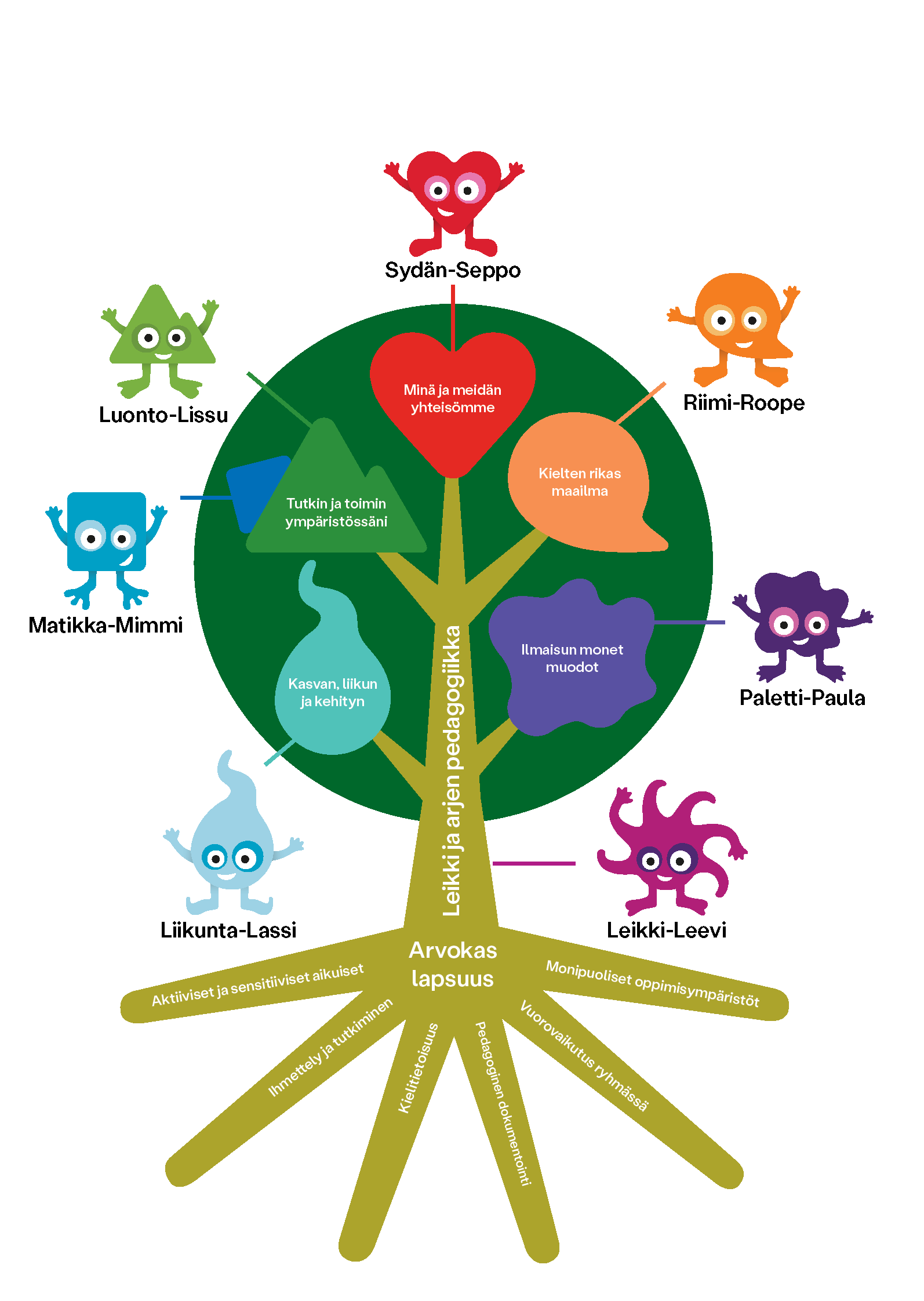
Most learning for preschool-aged children takes place through play and everyday activities. In different daily situations and during play, staff members encounter each child as an individual and encourage them to explore and act creatively in changing learning environments.
Play and learning form a whole, as they often lead naturally from one to the other. Play-based learning combines free play with guided activities that vary throughout the day.
Everyday situations are used as learning opportunities. Important moments include dressing situations, mealtimes, and similar daily routines. Staff members must be sensitive to recognizing and making use of learning moments in these situations. Structured activity sessions complement the learning that takes place in everyday life.
In small-group activities, children are divided into smaller groups based on pedagogical considerations. Small groups make it possible to purposefully support each child’s growth, development, and learning in different everyday situations. At the same time, they enable individual attention, meaningful encounters, and high-quality interaction. Small groups also create high-quality learning experiences because the activities become calmer and clearer.
Daycare strengthens and protects childhood and its unique value. Every child is seen as their own individual self and respected for who they are. Daycare helps build the foundation for a good life and prepares children to become active members of society.
In early childhood education, children’s participation means giving children the opportunity to be heard and to take part in decision-making in matters that affect their lives and well-being.
Children gain experiences of their own abilities being enough, of their role being meaningful, and of taking responsibility within a community. In practice, this means involving children and guardians both in the early childhood education plan process and in everyday activities.
Active interaction between adults supports children’s playful learning. Children should be active participants, not just passive recipients. This requires strong interaction between the child and the adult, as well as the child’s active engagement.
The adult’s role is to create space and conditions for play, encourage children to engage in play, support and guide them during play, participate in play, and observe children’s play. Adults work to make everyday life rich and engaging, offering children plenty of opportunities to learn and succeed.
Wonder and exploration form a strong foundation for development, learning, and happiness. When children wonder and explore, they learn the skills of learning itself. Children are eager to find out about everything, and even the smallest discoveries bring great joy.
We can support children on their journey of exploration by showing enthusiasm that spreads to them, thereby helping them move toward new achievements and deeper understanding.
The active use of concepts and words creates a strong foundation for a rich vocabulary, which is essential for language development.
In language-aware early childhood education, we understand the central role of language in children’s development and learning, in interaction and collaboration, as well as in building identity and belonging in society.
We also make multilingualism visible and encourage children to use language in diverse ways.
High-quality interaction means genuine and active presence, as well as sensitivity to a child’s feelings and thoughts. It enables safe interaction between the child, staff, and guardians.
Positive and encouraging staff support the development of children’s empathy, enthusiasm, and participation. A trusting and open atmosphere creates the conditions for community well-being and children’s learning.
Our daycare spaces are flexible, community-oriented, and designed based on pedagogical principles. Children move and work within them in small groups.
Learning environments include, for example, music and physical activity rooms, an arts and crafts studio, play areas, and a dining hall. These environments are continuously developed in line with the child’s growth and learning goals.
In the learning environment, the child is an active participant who is involved in planning and building the environment. Staff support and encourage children to create diverse and inspiring learning environments. In a play-promoting environment, adults are learners as well.
The learning environments in our daycare centers play a major role in ensuring that both children and adults feel comfortable with us.
What is it like to work at Pilke? Take a look at the everyday life of our creators of good days on Instagram!
Follow us on instagram!What is it like to work at Pilke kindergarten? Get to know Pilke’s professionals, the good day makers!
Tell us about your background and career at Pilke. How did you originally end up working in early childhood education?
I first stepped into a daycare center at the age of 15 for a work placement (TET) in my hometown. From that moment on, I knew I wanted to work in early childhood education. My career plans were confirmed when I took a gap year working in a daycare center. At that point, I was certain about the path I was taking. I graduated as a Bachelor of Social Services (and early childhood education teacher at the time) in 2010 and was able to start my career right away. Over the years, I worked in various daycare centers and groups, mainly in Tampere. Some of my most interesting experiences include working in Montessori pedagogy and spending the COVID years in a daycare center in Helsinki.
I came to Pilke through an interesting job advertisement seeking a pedagogical team leader for an English-language daycare center. I had already wanted to try a leadership role for some time, so I decided to apply. In addition to the team leader role, I also became an English preschool teacher and part of a wonderful international work community where I worked entirely in English every day.
My leadership role did not stop at pedagogy — when our director went on maternity leave, I had the opportunity to step into her (big) shoes for a while. For just over a year, I led both that English-language daycare and another slightly smaller music-focused daycare. Working as a director is definitely one of the highlights of my career; it challenged and taught me every single day. Grateful and perhaps slightly relieved, I returned after a year to my own familiar role as a teacher in a child group.
What does a typical workday look like for you?
I currently work in a music-focused daycare with two groups and 25 children. Our unit is very homelike and community-oriented. I also work in the Ope+ role and as an assistant director. As an Ope+ educator, I have been able to influence many aspects of our daily operations and practices, and it has been great to see how group sizes have stabilized and parents are satisfied with the pedagogy we provide.
As a teacher, my typical day naturally includes a lot of time with children and active observation in both groups. I plan activities, communicate with parents, manage Instagram updates, ensure we follow our music yearly plan, and take care of assistant director duties as well. Some days are busier than others, but every day my priority is to ensure a good day for the children and well-rounded activities that we have planned together as a team and with the children in advance.
What is the most meaningful part of your work?
The most meaningful part of my work is seeing children learn — whether it is putting on a sock or writing their own name. It has always been very important to me to raise tolerant and aware children for our society, and I feel that in early childhood education we build the foundation upon which all learning is based.
I have also always loved helping young children get dressed, although I of course always encourage them to try first themselves. The power of gentleness in my work is especially about humor and boundaries — ensuring that every child is heard and seen as their own unique individual. Gentleness is professional skill, but also simply kindness: taking a crying child into your arms and comforting them, asking a parent how they are doing, or encouraging a colleague on a difficult day.
What is best about working at Pilke, and who would you recommend it to?
I warmly recommend trying Pilke as a workplace. There is a wide variety of daycare centers and focus areas, and opportunities to influence your own work and even salary are extensive.
There are good opportunities for career development, and I have received encouragement in my work all the way from Pilke’s leadership team. At Pilke, employees are genuinely cared for, and your voice can be heard in many different ways.

Tell us briefly about your background and career at Pilke. How did you originally end up working in early childhood education?
I ended up in early childhood education through my studies and internships. I was not in daycare as a child myself, but when I completed my first internship in a daycare over 16 years ago, I was completely captivated by it. I first worked for six years as an early childhood education teacher, and after that I have worked as a daycare director. I have been at Pilke since 2023, and currently I manage three daycare centers in Oulu.
What does a typical workday look like for you and what does your daily work involve?
In the mornings, I always first make sure that everything is going well in the daycare centers I manage, and after that I move to one of them to take part in the day’s activities. The work of a daycare director varies a lot, but the main focus is on leading staff and pedagogy.
What is most meaningful to you in your work?
For me, the most meaningful part of the work is meeting educators, children, and parents in the daycare environment. The power of gentleness for me means joy and laughter, but also boundaries and structure. When things are approached positively, even challenges feel much lighter. However, this does not mean that challenges are ignored — they are addressed together and we move forward through a positive approach.
What is best about working at Pilke, and who would you recommend it to?
The best thing about Pilke is the people who make each child’s every day meaningful. That is what we are here for, regardless of our role. Our teams work well together, and when challenges arise, they are solved together or by asking for help from colleagues or administration.
I would recommend Pilke to someone who wants to do meaningful work with children, values an open and positive atmosphere, and enjoys teamwork. When working at Pilke, you are never left alone!

b>Tell us briefly about your background and career at Pilke. How did you originally end up working in early childhood education?
I have worked in early childhood education since 2011, initially as a group assistant. I honestly don’t even know exactly how I ended up working with children, but here I still am — fully in the right field for me.
I started at Pilke in 2019 while studying through an apprenticeship to become a childcare worker. After graduating, I continued my studies in social services and completed training as a team leader. Now, in 2026, I am graduating from university as an early childhood education teacher, and my next step is already aiming toward special education studies. Pretty awesome, I’d say!
What does a typical workday look like for you and what does your daily work involve?
My typical workday consists of meaningful encounters. Every interaction with children, colleagues, and families is valuable. I guide and am present, I listen and ensure a safe and good day for everyone.
I laugh a lot and joke around, because things don’t always have to be so serious. I plan and evaluate activities on a daily and weekly basis. As an assistant director, I also take care of the pedagogy and the smooth flow of everyday operations in the whole daycare.
What is most meaningful to you in your work?
The meaning of work is not measured in hours, but in the impact you leave on people. When a child tells me I am nice, it shows that I have somehow changed their world, become a part of it, and have a role in it. That is the meaning of this work.
Just as gentleness is the force that helps children grow. Together, we can notice the good, because it can never be noticed too much.
What is best about working at Pilke, and who would you recommend it to?
At Pilke, you can creatively practice your profession, try, fail, and especially succeed. Good work is noticed here, and colleagues are encouraged. If you have lots of ideas, come work at Pilke and put them into practice!
I have been supported tremendously in my professional growth, encouraged to follow my dreams, try new things, and trust myself and my skills. The encouraging words and belief from my supervisors have been very important. The understanding and inspiring attitude of my colleagues also helps a lot with studying. It is wonderful to be part of this team.

Tell us briefly about your background and career at Pilke. How did you originally end up working in early childhood education?
Working as an early childhood education and care assistant has always been a calling for me, just like an artist’s career. I have been in the field for almost 15 years and have worked in several daycare centers. I started at Pilke in 2017, and since autumn 2025 I have been working at daycare Marjala in Joensuu.
What does a typical workday look like for you and what does your daily work involve?
My typical workday is filled with play, presence, and supporting children’s everyday skills. In the mornings, I take care of the preschoolers’ outdoor time and guided activities. I find it especially meaningful to be part of children’s “work” — play — during which they learn many important skills, especially social skills.
In addition to my basic role, I also work as a health and safety representative and as Pilke’s music coordinator. These roles add an interesting extra layer to my everyday work. As a music coordinator, my tasks include updating the music annual plan, onboarding new music-focused daycare centers, and organizing trainings.
What is most meaningful to you in your work?
The most meaningful part of my work is getting a front-row seat to see how children’s skills grow and develop, and how they show amazing social skills. These are things we can be proud of together.
When children write me love letters and tell me “you are dear to me,” I understand even more deeply how important this work is — and how powerful genuine presence can be in children’s lives.
What does the power of gentleness mean to you in your work?
The power of gentleness means to me warmth, presence, boundaries, and love. Empathy and kindness. Beauty. Compassion toward both myself and the children. The ability to influence things. Everyone is allowed to be exactly who they are — unique and authentic.
What is best about working at Pilke, and who would you recommend it to?
At Pilke, we have great colleagues and a well-functioning occupational health care system. Here, you can truly be yourself and bring out your strengths. You are also given opportunities to grow professionally.
Our latest customer satisfaction survey is a great example of what safe, child-centered adults can achieve together with humor, genuine presence, boundaries and love, support, encouragement, courage, and persistence.
So if you are someone with a sparkle in your eye and want to work with warm-hearted people and make each day as good as possible for children, you are warmly welcome to join us!

What does a typical workday look like for you and what does your daily work involve?
My everyday work is built around listening to children, caring and educational tasks, and cooperation with families. The daycare’s activities are based both on advance planning and on whatever daily life brings at any given moment. If plans don’t hold or something goes wrong, we pause together, sit down, talk, and reflect on what caused the situation. My work is largely about putting everyday life into words for children and moving with them from one situation to another.
What is most meaningful to you in your work?
The best moment of the day is when a child succeeds and learns something. When a child learns a new word, masters a daily skill, or puts their shoes on for the first time by themselves. It is wonderful to share that joy with the child.
What is best about working at Pilke, and who would you recommend it to?
In this workplace, people clearly want to develop. Everyone wants to learn and there is a strong atmosphere of renewal, which is one reason I work here. For example, we have studied the new early childhood education curriculum together. The enthusiasm is also shown in how we want to organize fun events with the children, such as May Day celebrations.
Our atmosphere is joyful and positive. Children are treated with genuine care. It is a place where both employees and children feel good coming to in the morning.

Tell us briefly about your background and career at Pilke. How did you originally end up working in early childhood education?
I am a long-time early childhood education professional, and my career at Pilke began in 2013 when my then workplace was transferred under Pilke’s ownership. Since then, I have had the opportunity to grow and develop in many kinds of roles, and today I work as a daycare director at Liikuntapäiväkoti Ihmekone and Taidepäiväkoti Taikahattu in Hyvinkää.
What is most meaningful to you in your work?
For me, the most meaningful part is being able to share my expertise and support work communities in their development. In my roles, I have had the opportunity to spar with other Pilke units to help develop their operations. A few years ago, I participated in a professional exchange in a Pilke daycare in Sotkamo. There I acted as a supporter and encourager for the staff, guided small-group work, reflected on learning environments, and helped with group-level early childhood education plans. It was rewarding to see how eagerly staff absorbed new knowledge and adopted new practices.
What is best about working at Pilke, and who would you recommend it to?
The best thing about Pilke is the opportunity to develop, share expertise, and see how the “Pilke way of working” takes shape in different units. It has been wonderful to act as an onboarding support person and help explain what is special about Pilke’s operations. Key cornerstones of the Pilke approach include small-group work and the development of learning environments. I feel that people and their expertise are genuinely valued at Pilke. I have been able to put my professional skills to good use here, and the work is refreshing and provides new perspectives.

Tell us briefly about your background and career at Pilke. How did you originally end up working in early childhood education?
Early childhood education has been my calling since childhood, and graduating as a Bachelor of Social Services in Tornio in 2010 was a long-planned step. A job advertisement from Pilke caught my attention because of its values, and I started as an early childhood education teacher in Espoo. After six months, I moved into a deputy director role with administrative responsibilities. My career continued in Vantaa at Pilke Käpälämäki, where I worked as a lead early childhood education teacher and was responsible for the administration of a small daycare center. In 2014, I was appointed daycare director. The next career step was moving to Tampere, where I helped build the operations of Pilke music daycare Nuottisilta.
What does a typical workday look like for you and what does your daily work involve?
I start my day by greeting children and staff and wishing everyone a good morning. I have breakfast with the group before moving on to office tasks. My days include shift planning, responding to parents’ questions, and cooperation with municipalities regarding childcare placements. I also lead the pedagogical activities of the daycare centers. Even though administrative work takes up a lot of time, the path back to the children is always short.
What is most meaningful to you in your work?
The most meaningful part is being able to support others, develop early childhood education, and help create an environment where every child can have a good day. Meeting children and influencing their everyday lives is still the heart of my work.
What is best about working at Pilke, and who would you recommend it to?
I value Pilke’s flat organization and how easy it is to reach experts. I have been able to express myself, work in my own way, and be recognized according to my strengths. Pilke offers opportunities to progress, grow, and take on different development tasks. I would recommend Pilke to anyone who values a positive atmosphere, wants to develop professionally, and wants to work for children’s well-being every day.
Vacancies
Pilke has various vacancies at daycare centres, after-school clubs and childcare services around Finland on a constant basis.
Even if you cannot find a position that matches your expertise among our vacancies, we will gladly hear from you.
Ask more!